the 1950s
The Young Mountaineers
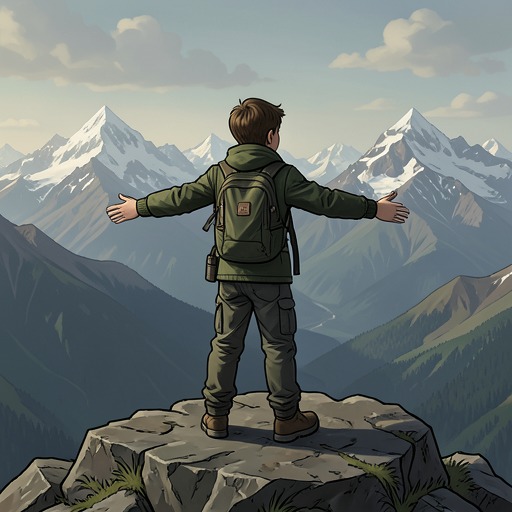
[Pietro](entity:character-recall-character-pietro-15a75a7d05df)’s mother grew up in the [Veneto](entity:location-recall-location-80c46f59864a) countryside, where her brother [Piero](entity:character-recall-character-piero-fcc648c1cb7b) and his friend [Giovanni Guasti](entity:character-recall-character-giovanni-guasti-8bbdb50b42c4) spent summers camping in the [Dolomites](entity:location-recall-location-38ad759468bd). Piero was thoughtful and academically gifted; Giovanni, an orphan, was restless, strong-legged, and drawn to the material world.
Pietro’s father’s adolescence
A Boy Finds a Family
Because Giovanni lacked a family of his own, [Piero](entity:character-recall-character-piero-fcc648c1cb7b)’s parents welcomed him into their home. He joined in the harvest and other country work, becoming close to the household and especially to [Pietro](entity:character-recall-character-pietro-15a75a7d05df)’s future mother.
the late 1960s
The Chemistry Student
Giovanni studied chemistry while [Piero](entity:character-recall-character-piero-fcc648c1cb7b) pursued medicine. After graduating, Giovanni completed military service in the Alpine artillery, hauling equipment over mountain tracks and discovering that he loved the hard life outdoors.
March 1969
The Sassolungo Avalanche
On a warm afternoon, Giovanni and [Piero](entity:character-recall-character-piero-fcc648c1cb7b) crossed a snow slope near [Sassolungo](entity:location-recall-location-731dc0962c20). The wet snow gave way; Giovanni reached a rock, but Piero was swept downhill and buried beneath the avalanche.
the morning after the avalanche
Piero’s Death
Giovanni struggled down to a refuge and called for help. Rescuers found [Piero](entity:character-recall-character-piero-fcc648c1cb7b) the next morning, dead beneath the snow; his family blamed Giovanni, the more experienced climber, and his grief hardened into guilt and isolation.
about a year after Piero’s death
A Marriage Against the Family
[Pietro](entity:character-recall-character-pietro-15a75a7d05df)’s mother stood by Giovanni when others held him responsible for [Piero](entity:character-recall-character-piero-fcc648c1cb7b)’s death. Their friendship became love, and they married without her family’s support, carrying their life together away from the countryside.
October 1972
Marriage in the Mountains
Giovanni and [Pietro](entity:character-recall-character-pietro-15a75a7d05df)’s mother married before the small chapel beneath [Tre Cime di Lavaredo](entity:location-recall-location-tre-cime-di-lavaredo-db65d2d0556c). They wore anoraks rather than wedding clothes, celebrated with a few friends, and spent their first night as spouses at a mountain refuge.
the day after the wedding in 1972
The Move to Milan
With [Pietro](entity:character-recall-character-pietro-15a75a7d05df)’s mother pregnant and Giovanni beginning a new job, the couple packed their climbing gear and left the mountains for [Milan](entity:location-recall-location-617379caf4c2). Their departure closed their first mountain life and began the family’s city years.
the 1970s
Pietro’s City Childhood
[Pietro](entity:character-recall-character-pietro-15a75a7d05df) grew up in a [Milan](entity:location-recall-location-617379caf4c2) apartment overlooking a noisy avenue, while Giovanni struggled with the city’s relentless traffic and brought home anger from his factory job. His mother worked with families and children in a poor district, carrying their troubles home with her.
Pietro’s early childhood
Songs from the Mountains
In the car, [Pietro](entity:character-recall-character-pietro-15a75a7d05df)’s parents sang old songs about the [Great War](entity:time-recall-time-great-war-bb7a98afe36b) and the mountains. The songs seemed to carry more than inherited memories: their emotion suggested that the lyrics also spoke to the couple’s own past and losses.
Pietro’s early childhood
The Mountain in the City Sky
On rare clear, windy days, [Pietro](entity:character-recall-character-pietro-15a75a7d05df)’s parents glimpsed [Grigna](entity:location-recall-location-24d20f0bba25) above [Milan](entity:location-recall-location-617379caf4c2)’s streets. His mother recalled the myth of the beautiful warrior turned into a mountain, but traffic lights and horns soon pulled the family back into city life.
the late 1970s
The Western Mountains
Giovanni and [Pietro](entity:character-recall-character-pietro-15a75a7d05df)’s mother began traveling west to the valleys around [Monte Rosa](entity:location-recall-location-48c215ea430f). The dark, wet landscape initially oppressed her, but Giovanni saw a grandeur beyond the familiar [Dolomites](entity:location-recall-location-38ad759468bd) and quickly fell in love with the higher peaks.
Pietro’s early childhood summers
A Father Transformed
On mountain holidays, Giovanni changed into old climbing clothes and spent his days exploring trails, often returning after long absences exhilarated by the heights. [Pietro](entity:character-recall-character-pietro-15a75a7d05df)’s mother preferred villages, meadows, and lower trails, while Giovanni yearned to take his son onto the glacier.
July 1984
The River and Time
When [Pietro](entity:character-recall-character-pietro-15a75a7d05df)’s parents brought him to [Grana](entity:location-recall-location-grana-9a51dbc28f94), Giovanni challenged him to imagine the river as time and asked where the future lay. Pietro guessed that it flowed downstream; his father called the answer wrong, leaving the boy to work out the riddle for himself.
July 1984
Arrival in Grana
[Pietro](entity:character-recall-character-pietro-15a75a7d05df)’s mother found a worn, nearly empty house in [Grana](entity:location-recall-location-grana-9a51dbc28f94), a village of gray stone houses and abandoned buildings. Giovanni seemed indifferent to the house, but the countryside’s smells and the nearby river immediately captured Pietro’s imagination.
the first days in Grana
Pietro Explores the River
While Giovanni returned to work, [Pietro](entity:character-recall-character-pietro-15a75a7d05df)’s mother settled into the old house and gave her son the freedom to roam within limits. Pietro explored the river’s rapids, pools, and tangled barriers, making the water his private territory.
July 1984
The Boy Across the River
[Pietro](entity:character-recall-character-pietro-15a75a7d05df) noticed a boy tending seven cows across the river. When the boy told him not to trample the grass, Pietro crossed the water in his shoes rather than ask for permission, and the two boys watched one another from opposite banks.
soon after Pietro first saw Bruno
The Trout Pool
[Bruno](entity:character-recall-character-bruno-e4b42296375e) took [Pietro](entity:character-recall-character-pietro-15a75a7d05df) to watch trout hold their place against the current beneath a small waterfall. Pietro learned that the fish faced upstream, waiting for food and danger to arrive from the mountains.
July 1984
The Millstone Scheme
[Bruno](entity:character-recall-character-bruno-e4b42296375e) led [Pietro](entity:character-recall-character-pietro-15a75a7d05df) into a ruined mill and proposed rolling its enormous stone into the river to make the fish jump out. Their makeshift lever snapped, injuring Bruno’s hand, but the failed scheme marked the beginning of their shared adventures.
the night after the millstone attempt
The Future Comes from Upstream
Unable to sleep, [Pietro](entity:character-recall-character-pietro-15a75a7d05df) thought again about the trout facing into the current. He realized that the river’s past flowed away downstream, while its future arrived from the mountains above—a solution to his father’s riddle and an image that would shape his understanding of destiny.
the rest of July 1984
A Friendship Takes Hold
[Pietro](entity:character-recall-character-pietro-15a75a7d05df) and [Bruno](entity:character-recall-character-bruno-e4b42296375e) met every day, exploring abandoned buildings and the nearly empty village. Bruno told Pietro about his absent father, his quiet mother, and his life among relatives who seemed to have little time for him.
late July 1984
The Schoolhouse Carvings
The boys explored [Grana](entity:location-recall-location-grana-9a51dbc28f94)’s closed school, now used to keep rabbits. [Pietro](entity:character-recall-character-pietro-15a75a7d05df) found initials carved into old desks, including many Gs, and later discovered a fresh G and B that revealed how [Bruno](entity:character-recall-character-bruno-e4b42296375e) had been leaving traces of himself in the abandoned village.
late July 1984
The Call from Milan
[Pietro](entity:character-recall-character-pietro-15a75a7d05df) and his mother walked down the valley to use a payphone and speak with Giovanni in [Milan](entity:location-recall-location-617379caf4c2). Pietro told his father about [Bruno](entity:character-recall-character-bruno-e4b42296375e), and Giovanni promised to visit in August and suggested that father and son go see the boy together.
August 1984
Giovanni Takes Pietro Climbing
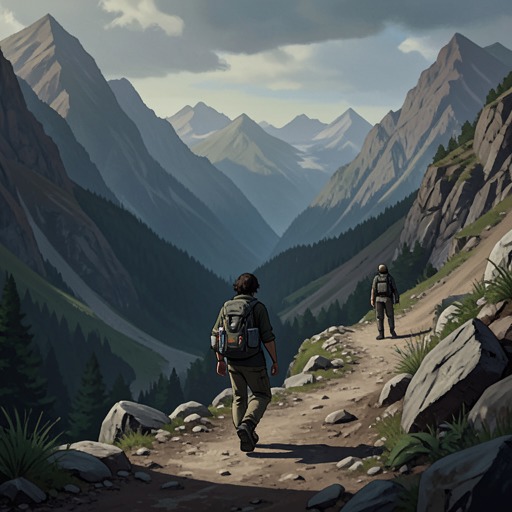
Giovanni arrived in [Grana](entity:location-recall-location-grana-9a51dbc28f94) determined to take [Pietro](entity:character-recall-character-pietro-15a75a7d05df) into the mountains. He taught him to walk at a steady pace, avoid stopping, and choose the uphill route at forks, treating the ascent as a test of endurance rather than an occasion for leisurely observation.
August 1984
The Mountain People’s Past
As they climbed past abandoned high villages, Giovanni described the work that had once made life possible there. He told [Pietro](entity:character-recall-character-pietro-15a75a7d05df) that people often went high because landlords, armies, priests, or bosses would not leave them in peace below.
during Giovanni and Pietro’s August climbs
The Pursuit on the Trail
Whenever Giovanni spotted hikers ahead, he turned the ascent into a race. [Pietro](entity:character-recall-character-pietro-15a75a7d05df) learned to follow his father over steep slopes and pass older climbers, receiving a quiet hand on his shoulder rather than open praise.
during the summer of 1984
Three Thousand Meters
Above the meadows and woods, Giovanni’s happiness grew while [Pietro](entity:character-recall-character-pietro-15a75a7d05df) became nauseated and exhausted. Giovanni often failed to notice his son’s distress, absorbed in the harsher landscape of scree, ice, and high peaks.
August 1984
Bruno’s Interrupted Schooling
[Pietro](entity:character-recall-character-pietro-15a75a7d05df)’s mother discovered that [Bruno](entity:character-recall-character-bruno-e4b42296375e) had stopped attending school months earlier and confronted the adults responsible for him. She insisted that an eleven-year-old should be educated, while Giovanni questioned whether they could rescue everyone.
August 1984
The Alpine Pasture Visit
[Pietro](entity:character-recall-character-pietro-15a75a7d05df) and Giovanni visited [Bruno](entity:character-recall-character-bruno-e4b42296375e)’s relatives at the [Guglielmina alpine pasture on Grenon](entity:location-recall-location-ce09af1792ce). Bruno showed Pietro the clean cheese cellar and described learning to care for the toma, while the place’s neglect exposed the family’s bleak relationship with its land.
August 1984
An Invitation to the Glacier
Over food and wine, Giovanni questioned [Bruno](entity:character-recall-character-bruno-e4b42296375e)’s uncle about the peaks above the pasture. He then invited Bruno to join him and [Pietro](entity:character-recall-character-pietro-15a75a7d05df) on a glacier walk, and the boy eagerly accepted.
the day after the pasture visit
The Glacier’s Old Winters
On the climb toward [Mezzalama refuge](entity:location-recall-location-6fe1d9d12d7b), Giovanni explained how snowfall accumulates, becomes ice, and preserves traces of earlier winters. He described the glacier as a moving archive, carrying the mountain’s past slowly downhill.
August 1984
The Night at Mezzalama
The crowded refuge held climbers trading stories and planning routes. Giovanni joined them proudly, while [Pietro](entity:character-recall-character-pietro-15a75a7d05df) lay sick with nausea beside [Bruno](entity:character-recall-character-bruno-e4b42296375e), who noticed his distress and offered to call his father.
the morning after their refuge stay
The First Glacier Crossing
Before dawn, Giovanni roped himself, [Bruno](entity:character-recall-character-bruno-e4b42296375e), and [Pietro](entity:character-recall-character-pietro-15a75a7d05df) together and led them across the glacier. The crampons gave Pietro an unexpected sense of strength, but as the sun softened the snow, his nausea worsened and the crevasses made the expedition increasingly dangerous.
later that morning
Pietro Falls Ill
At a crevasse, [Pietro](entity:character-recall-character-pietro-15a75a7d05df) vomited rather than jump across. Giovanni’s annoyance gave way to fear; he turned the group around and put Pietro at the front of the rope so they could descend to safer, lower ground.
during the descent from the glacier
Bruno Guides Pietro Down
[Pietro](entity:character-recall-character-pietro-15a75a7d05df) stumbled through fog and snow while [Bruno](entity:character-recall-character-bruno-e4b42296375e) walked close behind, calling the sounds he used to herd cattle. Pietro surrendered to the rhythm of Bruno’s voice and let it guide him back toward the refuge.
the summer of 1987
The River’s Hidden Source
At fourteen, [Pietro](entity:character-recall-character-pietro-15a75a7d05df) and [Bruno](entity:character-recall-character-bruno-e4b42296375e) began working their way upstream through the river, negotiating rapids and falls. They followed the water into scree until it vanished underground, then listened for its muffled course and found the lake that fed the river beneath the [Grenon](entity:location-recall-location-grenon-f7ff918b169e).
the summer of 1987
The Milan Proposal
[Pietro](entity:character-recall-character-pietro-15a75a7d05df) learned that his parents had offered to bring [Bruno](entity:character-recall-character-bruno-e4b42296375e) to [Milan](entity:location-recall-location-617379caf4c2), enroll him in school, and support him until he could choose his own future. Bruno suspected his uncle would agree for the money, but he himself could not yet picture life in the city.
the summer of 1987
Bruno Chooses to Leave
[Pietro](entity:character-recall-character-pietro-15a75a7d05df) urged [Bruno](entity:character-recall-character-bruno-e4b42296375e) to tell the adults he wanted to remain in [Grana](entity:location-recall-location-grana-9a51dbc28f94), partly because Pietro feared losing his companion and the unchanged summers they shared. Bruno rejected the suggestion, shouted across the lake that he was leaving, and startled chamois from the slope.
August 1987
Castor with Giovanni
[Pietro](entity:character-recall-character-pietro-15a75a7d05df) climbed [Castor](entity:location-recall-location-4c7616cd2a51) with Giovanni after earlier ascents of [Monte Rosa](entity:location-recall-location-48c215ea430f)’s other four-thousanders. His father wrote in a refuge guestbook that his son would soon be the one pulling him up the mountain, imagining a future of shared climbs and unguarded companionship.
August 1987
The City’s Unspoken Questions
[Pietro](entity:character-recall-character-pietro-15a75a7d05df) resented Giovanni’s sentimental account of the mountains and questioned why his parents wanted to remove [Bruno](entity:character-recall-character-bruno-e4b42296375e) from his home while disparaging city life. He began to see how confidently they made decisions about another person’s future.
the evening after the Castor climb
The Fight in the Courtyard
A drunken man confronted Giovanni in the courtyard and struck him in the temple. [Pietro](entity:character-recall-character-pietro-15a75a7d05df) recognized him as [Bruno](entity:character-recall-character-bruno-e4b42296375e)’s father, who had come to reclaim what he believed was his; the blow also carried the force of a warning to Pietro’s mother.
the following week in 1987
The Summer Ends in Grana
[Bruno](entity:character-recall-character-bruno-e4b42296375e) and his father disappeared, and Giovanni left for [Milan](entity:location-recall-location-617379caf4c2) with a swollen, bruised eye. [Pietro](entity:character-recall-character-pietro-15a75a7d05df) and his mother stayed through a week of rain before closing the house and leaving [Grana](entity:location-recall-location-grana-9a51dbc28f94), with Pietro troubled by the violence and his own helplessness.
when Pietro was sixteen
Pietro Rejects the Tent
Giovanni tried to draw his withdrawn son into a camping trip, planning a lake, trout, a fire, and a night together. [Pietro](entity:character-recall-character-pietro-15a75a7d05df) finally said he would not go, refusing not only the tent but the family intimacy his parents seemed to have arranged for him.
Pietro’s late adolescence
Separate Mountain Paths
Giovanni continued climbing alone, while [Pietro](entity:character-recall-character-pietro-15a75a7d05df) spent time with young holidaymakers and learned free-form rock climbing. He tried to escape his habitual solitude, though he remained an outsider among the wealthier visitors.
the summer after Pietro turned sixteen
The Fall on the Rock Face
On his first serious free-form climb, [Pietro](entity:character-recall-character-pietro-15a75a7d05df) followed a wrong line up a rock face and found himself trapped beneath an overhang. As his leg began to tremble, he fell roughly ten meters before his companions arrested the rope, leaving him injured and shaken.
the end of a later summer
The Lost Goats
[Bruno](entity:character-recall-character-bruno-e4b42296375e) returned to [Grana](entity:location-recall-location-grana-9a51dbc28f94) on his motorcycle and asked [Pietro](entity:character-recall-character-pietro-15a75a7d05df) to help search for goats that had gone missing after an early snowfall. They found the animals sheltered beneath rocks and brought them back across the snow, briefly recovering the ease of their childhood adventures.
Pietro’s final summer as a teenager
A Last Walk Together
On the way back, [Bruno](entity:character-recall-character-bruno-e4b42296375e) mentioned the stone wall he had built high in the mountains, while [Pietro](entity:character-recall-character-pietro-15a75a7d05df) spoke of climbing and new acquaintances. They parted without asking the questions that might have bridged their changing lives, and did not meet again for many years.
when Pietro was twenty-three
Pietro Leaves Milan
After military service and an estrangement from Giovanni over abandoning university, [Pietro](entity:character-recall-character-pietro-15a75a7d05df) left [Milan](entity:location-recall-location-617379caf4c2) for [Turin](entity:location-recall-location-24620228c0cd) to join a girlfriend. The relationship ended, but he stayed in the city, studied documentary filmmaking, and began building a life that his father had not chosen for him.
Pietro’s twenties
Letters from His Mother
[Pietro](entity:character-recall-character-pietro-15a75a7d05df)’s mother wrote to him regularly, and he replied with accounts of his studies, films, and life in [Turin](entity:location-recall-location-24620228c0cd). Her letters also revealed that Giovanni was exhausted, anxious about work and family, and increasingly unable to sleep or slow himself down.
the years before 2004
The Final Estrangement
[Pietro](entity:character-recall-character-pietro-15a75a7d05df) and Giovanni barely spoke after Pietro left university, each remaining unwilling to close the distance between them. Through his mother’s letters, Pietro began to suspect that his father contained a vulnerable side he had failed to recognize.
March 2004
Giovanni’s Highway Death
Giovanni suffered a fatal heart attack while driving and managed to pull into a highway rest area before he died, still buckled into the driver’s seat. His death ended the possibility of the reconciliation [Pietro](entity:character-recall-character-pietro-15a75a7d05df) had only recently begun to imagine.
spring 2004
The Barma Inheritance
Among Giovanni’s papers, [Pietro](entity:character-recall-character-pietro-15a75a7d05df) found a practical list of inheritance instructions and a cryptic bequest: a small property in the mountains. His mother explained that Giovanni had bought it without consulting her and that [Bruno](entity:character-recall-character-bruno-e4b42296375e) would know where it was.
late April 2004
Pietro Returns to Grana
[Pietro](entity:character-recall-character-pietro-15a75a7d05df) drove back to [Grana](entity:location-recall-location-grana-9a51dbc28f94) and found the valley altered by construction, gravel extraction, and signs of economic decline. The sight of snow-bright mountains above the damaged landscape awakened his father’s familiar habit of looking upward from the car.
the first night of Pietro’s return
The Map’s Three Colors
Inside the old house, [Pietro](entity:character-recall-character-pietro-15a75a7d05df) rekindled the stove and found Giovanni’s heavily marked map still on the wall. He worked out that black routes belonged to his father, red to himself, and green to [Bruno](entity:character-recall-character-bruno-e4b42296375e), discovering that the two men had shared many mountain journeys.
the morning after Pietro’s return
Bruno’s Missing Fingers
[Bruno](entity:character-recall-character-bruno-e4b42296375e) came to lead [Pietro](entity:character-recall-character-pietro-15a75a7d05df) toward the inherited land, greeting him with a handshake that revealed the missing ends of two fingers. He explained that he had injured himself with his father’s rifle, offering a grim glimpse of the life Pietro had missed.
spring 2004
The Flooded River
As they climbed together, [Bruno](entity:character-recall-character-bruno-e4b42296375e) showed [Pietro](entity:character-recall-character-pietro-15a75a7d05df) the damage left by the 2000 flood: a widened, debris-filled riverbed and ruined banks. Pietro saw that the landscape had changed even while the village’s old buildings and routines remained familiar.
after Pietro’s return in 2004
The Millstone Reaches the River
[Pietro](entity:character-recall-character-pietro-15a75a7d05df) recognized the old millstone in the river and learned that [Bruno](entity:character-recall-character-bruno-e4b42296375e) had rolled it down with a car jack on his eighteenth birthday. The childhood scheme had finally been completed without him, a small reminder of the years they had lived apart.
spring 2004
Finding the Inherited Ruin
[Bruno](entity:character-recall-character-bruno-e4b42296375e) led [Pietro](entity:character-recall-character-pietro-15a75a7d05df) past the abandoned family pasture and the landslide scar to the frozen lake and the remains of a stone building. The ruined walls, a young pine, and a striking white rock face marked the property Giovanni had left his son.
at the inherited ruin in spring 2004
Giovanni’s Hidden Plan
[Bruno](entity:character-recall-character-bruno-e4b42296375e) revealed that Giovanni had chosen the ruin years earlier and intended to build a house there. He had also asked Bruno to construct it, leaving [Pietro](entity:character-recall-character-pietro-15a75a7d05df) to decide whether to honor a plan his father had never shared with him.
spring 2004
The Promise to Rebuild Barma
Although [Pietro](entity:character-recall-character-pietro-15a75a7d05df) had little money, he accepted [Bruno](entity:character-recall-character-bruno-e4b42296375e)’s proposal to rebuild the ruin, feeling that the work might disclose what his father wanted from him. They agreed to start when the snow melted, turning the inheritance into a chance to resume their interrupted friendship.
early June 2004
The First Day of Work
[Pietro](entity:character-recall-character-pietro-15a75a7d05df) returned with tools, and he and [Bruno](entity:character-recall-character-bruno-e4b42296375e) cleared rubble from the ruin in cold, wet weather. The labor quickly exhausted Pietro, while Bruno treated the task as a sequence of manageable days rather than a project to worry over all at once.
the first day of construction
The Old Farm Implements
While lifting the old floorboards, [Pietro](entity:character-recall-character-pietro-15a75a7d05df) found a wooden holder for a scythe stone. [Bruno](entity:character-recall-character-bruno-e4b42296375e) demonstrated how the tool had been used, and their familiar game of discovering treasures in ruins returned, making the building project feel like a second chance at their friendship.
early June 2004
The Pine’s Uncertain Future
[Pietro](entity:character-recall-character-pietro-15a75a7d05df) transplanted the small Swiss pine that had grown inside the ruin and braced it against the wind. [Bruno](entity:character-recall-character-bruno-e4b42296375e) explained that such trees were hardy where they chose to grow but often failed when moved, leaving the young plant as a fragile emblem of survival and belonging.
the first week of rebuilding
Bruno Camps at the Site
[Bruno](entity:character-recall-character-bruno-e4b42296375e) built a simple shelter beneath the rock and announced that he would sleep at the worksite to avoid losing hours in travel. [Pietro](entity:character-recall-character-pietro-15a75a7d05df) began carrying materials up each day, and the mountain project acquired the rhythms of a shared life.
June 2004
Pietro’s Evening Descent
After work, [Pietro](entity:character-recall-character-pietro-15a75a7d05df) descended alone with the mule, moving through flowering rhododendrons and the abandoned pasture. The quiet walk gave him room to notice the contrast between human decay and the mountain’s returning vegetation.
late June 2004
His Mother Comes to Grana
[Pietro](entity:character-recall-character-pietro-15a75a7d05df)’s mother arrived with a friend and made the old house feel hospitable again. Her ease with relationships made Pietro think about the loneliness that had marked Giovanni’s life and whether he himself could learn to care for friendships.
summer 2004
The Story of the Two Friends
One evening, [Pietro](entity:character-recall-character-pietro-15a75a7d05df)’s mother told him how Giovanni and [Piero](entity:character-recall-character-piero-fcc648c1cb7b) had grown up together and how their mountain friendship shaped her family. Her account filled in the history Pietro had only known through photographs, songs, and fragments of conversation.
during the same summer
The Avalanche Reconsidered
[Pietro](entity:character-recall-character-pietro-15a75a7d05df)’s mother recounted [Piero](entity:character-recall-character-piero-fcc648c1cb7b)’s fatal avalanche and the blame Giovanni carried afterward. Giovanni had lost not only his closest friend but also the welcome of Piero’s family, helping Pietro understand the guilt and hidden tenderness beneath his father’s harshness.
after his mother’s account in 2004
Two Fathers in One
[Pietro](entity:character-recall-character-pietro-15a75a7d05df) recognized two versions of Giovanni: the difficult father from the city and the more vulnerable mountain companion he had glimpsed on the trails. He chose to remember the latter by completing the house Giovanni had left behind.
July 2004
Raising the Roof
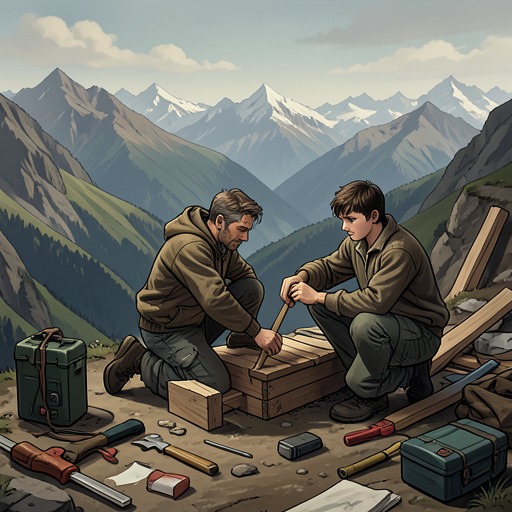
[Pietro](entity:character-recall-character-pietro-15a75a7d05df) and [Bruno](entity:character-recall-character-bruno-e4b42296375e) built the roof with carefully chosen larch beams, brackets fixed into the rock, and layered boards designed to withstand heavy snow. As they worked, Bruno shared the practical knowledge Giovanni had gathered from builders and books.
during the roof construction
Giovanni’s Mountain Knowledge
[Bruno](entity:character-recall-character-bruno-e4b42296375e) recalled Giovanni’s questions about timber, roof loads, and construction methods. [Pietro](entity:character-recall-character-pietro-15a75a7d05df) welcomed hearing his father’s name spoken in ordinary conversation and learned that Giovanni had planned the house with care rather than merely dreamed of it.
August 2004
Pietro Climbs Grenon
With the house’s roof complete, [Pietro](entity:character-recall-character-pietro-15a75a7d05df) climbed [Grenon](entity:location-recall-location-grenon-f7ff918b169e) alone, running over scree and reaching a summit above three thousand meters without the stomach sickness that had once plagued him. The ascent awakened the joy he had associated with his father’s high mountain world.
August 2004
The Summit Logbook
At the summit, [Pietro](entity:character-recall-character-pietro-15a75a7d05df) found a logbook and recognized Giovanni’s entry from 1997, boasting that he had climbed up from [Grana](entity:location-recall-location-grana-9a51dbc28f94) in under four hours. The brief inscription made his father vivid as a solitary climber, still delighted by strength and speed.
the weeks after Pietro’s first summit climb
Following Giovanni’s Routes
[Pietro](entity:character-recall-character-pietro-15a75a7d05df) explored the lesser peaks marked on his father’s map and found Giovanni’s words in summit notebooks. The entries revealed a man who returned to the mountains to revisit his life and sometimes longed to stay above the valley forever.
Pietro’s first journey to Nepal
The Eight-Mountain Legend
A Nepalese porter carrying chickens explained the cosmology of eight mountains and seas surrounding [Sumeru](entity:location-recall-location-e9a721f394eb). He asked whether greater wisdom belonged to the traveler who visited all eight mountains or the one who reached the central summit, a question [Pietro](entity:character-recall-character-pietro-15a75a7d05df) carried home to [Bruno](entity:character-recall-character-bruno-e4b42296375e).
the summers after 2004
A Mountain Refuge Takes Shape
[Pietro](entity:character-recall-character-pietro-15a75a7d05df) spent long stretches at the rebuilt house, reading and walking alone, while friends sometimes joined him for evenings by the fire. [Bruno](entity:character-recall-character-bruno-e4b42296375e) visited with wine and cheese, and the house became a refuge that kept the warmth of those gatherings between visits.
the years after the house was built
Bruno’s Mountain Philosophy
[Pietro](entity:character-recall-character-pietro-15a75a7d05df)’s city friends imagined an ecological community in the abandoned villages, but [Bruno](entity:character-recall-character-bruno-e4b42296375e) challenged their abstractions with the realities of wood, grass, cement, fuel, and food. He built a small water turbine that powered a light and radio at [Barma](entity:location-recall-location-barma-b1812ee8a668).
summer 2007
Lara’s Summer at Barma
[Pietro](entity:character-recall-character-pietro-15a75a7d05df) brought [Lara](entity:character-recall-character-lara-d889e7c349a3), a woman he had recently begun seeing, to [Barma](entity:location-recall-location-barma-b1812ee8a668). They recognized that their relationship was ending, and she spoke of her own mountain childhood and her complicated love for [Turin](entity:location-recall-location-24620228c0cd).
after summer 2007
Lara Joins Bruno’s Work
[Lara](entity:character-recall-character-lara-d889e7c349a3) returned to see [Bruno](entity:character-recall-character-bruno-e4b42296375e) and offered to work at his planned agricultural business. Bruno worried about her connection to [Pietro](entity:character-recall-character-pietro-15a75a7d05df), but Pietro encouraged the arrangement, and Lara’s decision led to a new life in the mountains with Bruno.
autumn 2007
Pietro’s First Journey to Nepal
[Pietro](entity:character-recall-character-pietro-15a75a7d05df) traveled to [Nepal](entity:location-recall-location-b074390d3411) with a mountaineering documentary team and became more interested in village life than in the expedition’s summits. The Himalayan valleys reminded him of a mountain world where farming and local traditions remained alive.
during Pietro’s first Nepal journey
The Himalayas as an Original Temple
As [Pietro](entity:character-recall-character-pietro-15a75a7d05df) climbed toward [Annapurna](entity:location-recall-location-a30b11818b0e), he saw the [Himalayas](entity:location-recall-location-23ddab318345) as intact and newly formed beside the older, eroded Alps he knew. He felt at home among the high pastures and scree, even as he recognized that the landscape and its cultures were profoundly different.
2008
Bruno and Lara Build a Farm
[Bruno](entity:character-recall-character-bruno-e4b42296375e) and [Lara](entity:character-recall-character-lara-d889e7c349a3) restored the old farmstead, bought dairy cows, and began producing toma cheese. Bruno milked by hand and tended the animals while Lara managed the herd and the demanding work of getting their produce to market.
the first summer of the new farm
The First Herd Returns
[Bruno](entity:character-recall-character-bruno-e4b42296375e), [Lara](entity:character-recall-character-lara-d889e7c349a3), his mother, and [Pietro](entity:character-recall-character-pietro-15a75a7d05df) led twenty-eight pregnant cows up from [Grana](entity:location-recall-location-grana-9a51dbc28f94). The herd’s bells and movement brought life back to the old pastures, and Bruno let the animals graze freely for their first day.
the first season of the farm
Cheese and the Wild Man
[Bruno](entity:character-recall-character-bruno-e4b42296375e) described the labor of milking, making cheese, and caring for the animals, dwelling especially on rennet and its unsettling origin in a calf’s stomach. He told [Pietro](entity:character-recall-character-pietro-15a75a7d05df) the local legend of [Omo servadzo](entity:creature-recall-creature-omo-servadzo-d2bedd7ba7fe), a wild figure credited with teaching people how to make cheese.
before Pietro’s departure for Nepal
The Eight Mountains Revisited
[Pietro](entity:character-recall-character-pietro-15a75a7d05df) drew the eight-mountain mandala for [Bruno](entity:character-recall-character-bruno-e4b42296375e) and asked which of them might achieve something worthwhile. He told Bruno that Bruno was the one who would, believing that his friend’s commitment to the mountain was a form of wisdom rather than failure.
autumn 2008
Anita Is Born
While [Pietro](entity:character-recall-character-pietro-15a75a7d05df) was away in [Nepal](entity:location-recall-location-b074390d3411), [Lara](entity:character-recall-character-lara-d889e7c349a3) gave birth to a daughter, [Anita](entity:character-recall-character-anita-cf1dee59b2b3). Pietro learned of the birth from his mother and spent a night in the [Himalayas](entity:location-recall-location-23ddab318345) thinking about [Bruno](entity:character-recall-character-bruno-e4b42296375e)’s new life as a father.
summer 2010
Pietro Returns to Italy
After years abroad, [Pietro](entity:character-recall-character-pietro-15a75a7d05df) returned to an [Italy](entity:location-recall-location-125be658b0d0) in economic crisis and found former colleagues struggling as production companies closed. He made plans to leave again, but first traveled to [Grana](entity:location-recall-location-grana-9a51dbc28f94) to see the family [Bruno](entity:character-recall-character-bruno-e4b42296375e) and [Lara](entity:character-recall-character-lara-d889e7c349a3) had made.
summer 2010
The Family at the Farmstead
[Pietro](entity:character-recall-character-pietro-15a75a7d05df) found [Bruno](entity:character-recall-character-bruno-e4b42296375e), [Lara](entity:character-recall-character-lara-d889e7c349a3), [Anita](entity:character-recall-character-anita-cf1dee59b2b3), and his mother gathered at the lively farmstead. He toasted his return, told stories of [Nepal](entity:location-recall-location-b074390d3411), and saw how fully his friend had become the center of a family and working farm.
summer 2010
The Farm’s Debts
[Pietro](entity:character-recall-character-pietro-15a75a7d05df) learned that the cheese business did not cover its costs and that [Bruno](entity:character-recall-character-bruno-e4b42296375e) and [Lara](entity:character-recall-character-lara-d889e7c349a3) were borrowing to meet earlier debts. Lara tried to improve their income by selling directly to shops, while Bruno resisted making money the center of every conversation.
summer 2010
The Prayer Flags
Before leaving again, [Pietro](entity:character-recall-character-pietro-15a75a7d05df) replaced the faded prayer flags at [Barma](entity:location-recall-location-barma-b1812ee8a668) and watched them move above Giovanni’s inscription. The small pine remained alive, a sign not of serenity but of the stubborn tenacity required to endure in the Alps.
summer 2010
Bruno’s Fear of Fatherhood
[Bruno](entity:character-recall-character-bruno-e4b42296375e) admitted that he knew how to build, milk, and make cheese but did not know how to teach [Anita](entity:character-recall-character-anita-cf1dee59b2b3) about life. His own father had taught him little except by example, and Bruno feared repeating that history even as he cherished his daughter.
the years after his first Nepal journey
Pietro Helps in Kathmandu
[Pietro](entity:character-recall-character-pietro-15a75a7d05df) became involved with an organization caring for children living on [Kathmandu](entity:location-recall-location-6de19eff46b6)’s streets. The work recalled his mother’s care for vulnerable families and made him imagine how [Bruno](entity:character-recall-character-bruno-e4b42296375e)’s practical mountain skills might help migrant children.
autumn 2013
The Farm Fails
[Bruno](entity:character-recall-character-bruno-e4b42296375e)’s agricultural business went bankrupt, and the farm was taken over by a bailiff. [Lara](entity:character-recall-character-lara-d889e7c349a3) left with [Anita](entity:character-recall-character-anita-cf1dee59b2b3) to live near her parents, while Bruno retreated into silence and was left without the livelihood or family life he had tried to build.
autumn 2013
Pietro Calls from Kathmandu
After reading his mother’s warning that [Bruno](entity:character-recall-character-bruno-e4b42296375e) had lost everything and was alone, [Pietro](entity:character-recall-character-pietro-15a75a7d05df) telephoned him from [Kathmandu](entity:location-recall-location-6de19eff46b6). Bruno asked permission to use [Barma](entity:location-recall-location-barma-b1812ee8a668), and Pietro offered to come; for once, Bruno accepted the offer of company.
October 2013
The Winter Retreat
[Pietro](entity:character-recall-character-pietro-15a75a7d05df) arrived at [Barma](entity:location-recall-location-barma-b1812ee8a668) and found [Bruno](entity:character-recall-character-bruno-e4b42296375e) stocked with food, candles, and wine, determined to remain in the mountains. They spent their days cutting firewood, but Bruno’s anger and grief made their work rougher than the old tasks they once shared.
autumn 2013
Bruno’s Memories of the Valley
During their long evenings, [Bruno](entity:character-recall-character-bruno-e4b42296375e) recalled being in [Milan](entity:location-recall-location-617379caf4c2) and seeing the sea, describing it as a large lake. He also remembered the calm evenings at the farmstead, when he felt he was watching over [Lara](entity:character-recall-character-lara-d889e7c349a3) and [Anita](entity:character-recall-character-anita-cf1dee59b2b3) as they slept.
autumn 2013
The Hunters’ Chamois
[Bruno](entity:character-recall-character-bruno-e4b42296375e)’s cousins arrived with a dead chamois, and Bruno butchered it with furious precision. [Pietro](entity:character-recall-character-pietro-15a75a7d05df) watched the animal become meat, sensing that the work carried the anger Bruno had been keeping inside since the farm and his relationship collapsed.
late autumn 2013
Pietro Challenges Bruno
[Pietro](entity:character-recall-character-pietro-15a75a7d05df) asked [Bruno](entity:character-recall-character-bruno-e4b42296375e) when he would visit [Anita](entity:character-recall-character-anita-cf1dee59b2b3) and urged him to leave the mountain. Bruno resisted, insisting that Pietro already knew who he was; Pietro recognized the danger that Bruno might repeat his own father’s abandonment of a child.
December 2013
Lara’s Account
[Pietro](entity:character-recall-character-pietro-15a75a7d05df) visited [Lara](entity:character-recall-character-lara-d889e7c349a3) at the ski resort where she worked. She explained that [Bruno](entity:character-recall-character-bruno-e4b42296375e) had refused practical alternatives when the farm was failing, and that she had left after realizing the mountain mattered more to him than she and [Anita](entity:character-recall-character-anita-cf1dee59b2b3) did.
December 2013
A Christmas Ascent
After Christmas in [Milan](entity:location-recall-location-617379caf4c2), [Pietro](entity:character-recall-character-pietro-15a75a7d05df) bought snowshoes and climbed toward [Barma](entity:location-recall-location-barma-b1812ee8a668) through deep snow. He crossed the buried river and found [Bruno](entity:character-recall-character-bruno-e4b42296375e) above the lake, skiing down on old equipment he had discovered in his uncle’s cellar.
December 2013
A Reconciliation at Barma
Inside the snow-buried house, [Bruno](entity:character-recall-character-bruno-e4b42296375e) apologized for how he had treated [Pietro](entity:character-recall-character-pietro-15a75a7d05df) and asked whether they were still friends. They cooked together, and Bruno explained that he had finally accepted the limits of his business ambitions and the value of the mountain life he knew how to live.
the night of December 26, 2013
The Avalanche Breaks the Lake
A great rumble and crashing impact shook the house. In the morning, [Pietro](entity:character-recall-character-pietro-15a75a7d05df) and [Bruno](entity:character-recall-character-bruno-e4b42296375e) saw that an avalanche had descended the [Grenon](entity:location-recall-location-grenon-f7ff918b169e) gorge, torn through the frozen lake, and thrown its fish onto the snow.
the morning after the avalanche
The Fish on the Snow
[Crows](entity:creature-recall-creature-c86534540071) fed on trout stranded by the shattered lake ice, turning the scene into a stark sky burial. [Pietro](entity:character-recall-character-pietro-15a75a7d05df) and [Bruno](entity:character-recall-character-bruno-e4b42296375e) watched the mountain’s violence expose the hidden life beneath the frozen surface.
December 27, 2013
Bruno Refuses to Descend
[Pietro](entity:character-recall-character-pietro-15a75a7d05df) asked [Bruno](entity:character-recall-character-bruno-e4b42296375e) to come down from [Barma](entity:location-recall-location-barma-b1812ee8a668) with him, but Bruno reminded him that he had spent decades trying to get him off the mountain. He insisted that the mountain had never harmed him, and Pietro left without persuading him.
Pietro’s descent from Barma
The River Beneath the Snow
On the way down, [Pietro](entity:character-recall-character-pietro-15a75a7d05df) dug beneath the snow and found a thin skin of ice covering flowing water. Even when the river disappeared from sight and sound, it continued its course below the winter surface.
March 2014
Bruno Goes Missing
After the Western Alps received extraordinary snowfall, [Bruno](entity:character-recall-character-bruno-e4b42296375e)’s cousins found [Barma](entity:location-recall-location-barma-b1812ee8a668) buried beneath the snow and alerted rescuers. The search team reached the house but found no Bruno and no tracks, while his old skis were missing from the storeroom.
the spring of 2014
The Search Ends
Rescuers could not search the dangerous [Grenon](entity:location-recall-location-grenon-f7ff918b169e) slopes thoroughly, and no one found [Bruno](entity:character-recall-character-bruno-e4b42296375e) before the snow began to melt. [Lara](entity:character-recall-character-lara-d889e7c349a3) asked [Pietro](entity:character-recall-character-pietro-15a75a7d05df) whether Bruno had wanted this ending; Pietro lied that he did not think so, uncertain whether he had ever fully understood his friend.
after Bruno’s disappearance
The Eight Mountains Remain
[Pietro](entity:character-recall-character-pietro-15a75a7d05df) traveled alone through a region of [Nepal](entity:location-recall-location-b074390d3411) he had never visited, seeking discovery rather than returning to a remembered place. He understood that some people never return to the mountain at the center of their lives, and that wandering the other mountains is what remains after losing a friend there.